The heat’s working fine but your teeth are chattering down the highway like a windup kids toy, What gives?
OK, maybe I’m exaggerating a bit, but a shaking car at high speeds is not a normal feeling. Although tire balance is not always the root cause, it’s the first on the list of suspects in the “shaking car” saga.
In this article, I’ll break down tire balancing so you can get to know this basic maintenance service, the who, what, where, whens, and hows. You’ll gain peace of mind knowing how to explain the shaking issue to your mechanic and what they will be doing to your car before you even schedule an appointment.
What Is Tire Balancing?
Have you ever seen a washing machine loaded with heavy clothes on the fast spin cycle? That thing is shaking around like it’s about to take off. The shaking is caused by the weight imbalance of your clothes sticking to one section of the drum while spinning.
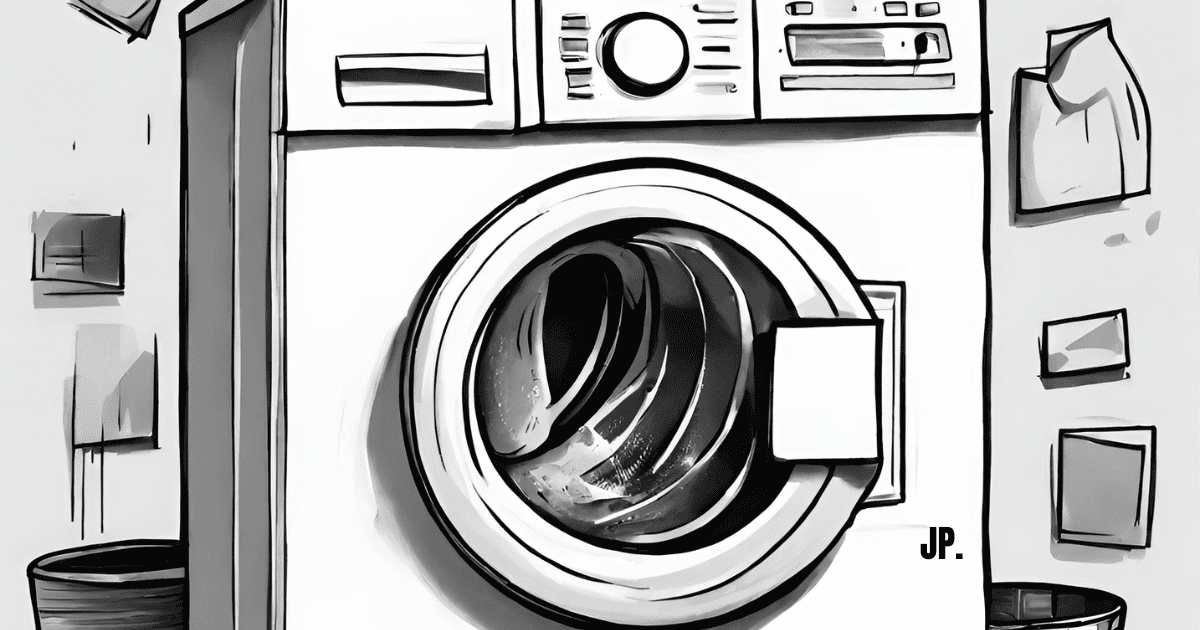
Makes sense right?
At high speed the wet clothes are heavy and the gyroscopic force is much greater as that section tries to separate from the rest of the drum. Remove the clothes and the same washing machine will spin smoothly.
This is because the machine’s drum was balanced at the factory, eliminating unequal weight. The drum alone will spin without vibration at high speed.
Tire balance is based on the same principle, there are heavy and light spots naturally on any wheel and tire assembly. When mounting new tires onto wheels, both will not mesh perfectly in the right location to have a perfectly balanced unit.
This is where wheel balancing comes in, tire balancing allows a mechanic to add weight to the light spots essentially evening out the light and heavy spots of the tire and wheel assembly.
Why Tire Balance Is Important
Who wants to drive a car that shakes? Unbalanced tires will cause vibration at high speeds and put more wear and tear on suspension components. Creature comfort isn’t the end of it either, tires that aren’t balanced properly will amplify tire alignment issues and make for a bad driving experience overall.
How are Tires balanced?
A balancing machine is required to “zero out” the weight variation on each of your wheels.

Here is a quick rundown of a tire balance
1. After setting the tire pressure a mechanic will remove the wheel center cap and mount the wheel onto a tire balancing machine.
2. The wheel is secured on the machine and spun while the software is reading the tire imbalance.
3. After the spin the machine shows the mechanic what amount of weight needs to to added and where to balance out the tire/wheel assembly.
4. The weights are installed and the wheel is spun again to recheck.
5. If the mechanic did his job the machine will read zero imbalance and the wheel is now balanced properly and ready to be put back on the car.
What is “Tire Road Force?”
Balancing a tire doesn’t always solve vibration issues. There are times when the actual tire itself is out of round or has flat spots. At this point, no amount of weight will offset the issue.
This is why many modern tire machines use road force technology. Road force tire machines measure tire tread force against the road surface.
This shows the tire technician any issues along the entire circumference of the tire. It’s a good idea to find a shop that uses road force to balance the tires on vehicles.
If there’s a situation of uneven tire tread wear or some other abnormality, the tire will need to be replaced to stop vehicle shaking.
Here’s Some Signs That Your Tires Need Balancing?
Now that you know what balancing tires is all about let’s figure out if your car needs a rebalance. Here are some things to pay attention to the next time you’re driving.
- Vibration in the steering wheel when driving at highway speed.
- Wobble over bumps while turning (such as on a highway bridge.)
- You will notice the passenger side seat “fluttering” while driving.
- Rattling noises that drive you nuts.
When To Have a Tire Balance Service Done on Your Car
Tires get out of balance over time, loss of a wheel weight, uneven tire wear, or a good curb or pothole hit can throw it off. If you are feeling vibrations while driving it’s time to have your tires balanced. It’s a good idea to have tires rotated and balanced every season.
Can Out-of-Balance Tires Damage Your Car?
In extreme cases the unbalance can put stress on your vehicle’s steering and suspension components causing premature wear. In most cases, however, imbalanced tires are more of an annoyance than anything else.
With that said proper tire balance ensures everything works the way it should, so why not do it?
Wrapping Up
Wheel balancing is a fairly simple maintenance item that doesn’t cost a fortune. Throw in a wheel alignment check and tire rotation and you will be driving down the highway smooth and straight.


