Alright, let’s be real here, talking about basic car maintenance is about as exciting as watching paint dry.
Who wants to shell out cash just to maintain a car?
The truth is consistent car care shouldn’t be overlooked if you plan on keeping your car in good shape.
People are all about dropping cash on flashy rims and killer sound systems, but when it comes to keeping their cars in good shape mechanically, they steer clear like it’s a contagious disease.
I completely understand taking care of your car isn’t as exciting as getting a fancy new stereo. But let’s face it, if you want to avoid major problems down the road, it has to be done.
The good news is I have a simple fix for the vehicle maintenance procrastination problem… A basic list of routine maintenance whats, whys, and whens.
Some of these items can be done in 5 minutes, while others may require a call to your mechanic.
Either way, close the Amazon tab above with that useless vent-mounted cell phone holder and invest some time in avoiding the tow truck, let’s dive into the list!
This Car Maintenance Guide Will Help You Avoid Expensive Repairs and Retain Your Car’s Resale Value
This article covers basic maintenance.
These are universal items, many of which you can do yourself, some require more know-how and tools, and others need to be done by a professional.
A quick disclaimer: Different vehicles have different procedures and requirements, keep that in the back of your head as you read. This list is designed to provide you with general guidelines, always refer to your vehicle’s owner’s manual for your car’s correct information.
Let’s get started…
1. Engine Oil and Filter Replacement

The most important car maintenance item on the list is changing your motor oil and filter.
This is critical to keep the internal engine components in good shape. The reality? If you avoid changing your oil sooner or later you will pay much more for major engine repairs.
There is no way around this for any car, (unless it’s electric.)
Why it’s important: Motor oil is the lifeblood of your engine. This essential lubricant sacrifices itself to keep internal moving parts from wear.
Without oil, an engine will suffer catastrophic damage within minutes.
When to change it:
- 5,000 miles when using a high-quality oil filter and synthetic oil.
- 3,000 miles When using a synthetic blend oil.
- Always use high-quality oil filters.
How to change it: Changing engine oil is a straightforward process, it does require some mechanical knowledge and tools. Here’s a quick breakdown.
Drain the motor oil, remove the oil filter, replace the filter, and fill the engine with fresh oil.
2. Replace The Engine Air Filter
The engine air filter removes dirt and contaminants from the air your engine breathes to run. Think of it like a filter of a cigarette, (cough) over time it gets dirty, reducing airflow.

This filter is essential for engine efficiency but also plays a huge role in protecting internal components. Every car has one, and they all need to be replaced at regular intervals throughout the life of your car.
Why it’s important: Without these your engine is breathing dirty air, all of the dirt and dust kicking up down the road can enter your engine unchecked, causing premature engine wear and other issues. Air filters get surprisingly dirty over time, causing increased fuel consumption and poor performance.
When to change it: Signs you need to replace your air filter are increased fuel consumption and lack of power, even a check engine light in bad cases. Every 15,000 miles the air filter should be checked and replaced if needed.
How to change it: Although all vehicles are designed differently the concept is the same. Every engine has an airbox that houses the filter, these boxes split apart so the filter element can be changed.
3. Check Your Tire Pressures

If you don’t know how to check the air pressure in your tires, it’s time to learn. This super simple check can save you money at the pump and make your car handle better.
Why it’s important: Incorrect pressure can cause increased tire tread wear, poor handling, and tire damage. Believe it or not, incorrect pressure will greatly reduce the life of your tires.
When to check it: You should be checking your tire pressure every oil change, or 5,000 miles or so, and more often in colder temperatures. As easy as this is I would check the pressures monthly, don’t forget the spare tire.
Cars built after 2007 have tire pressure monitoring systems, if the warning comes on it’s time to check the pressure.
How to check it: Most modern vehicles have pressure specifications printed on the inside of the driver’s door jamb. When the tires are cold (before driving) use a good-quality tire pressure gauge to check and inflate or deflate as needed.
4. Check Tread Depth and Tire Rotation
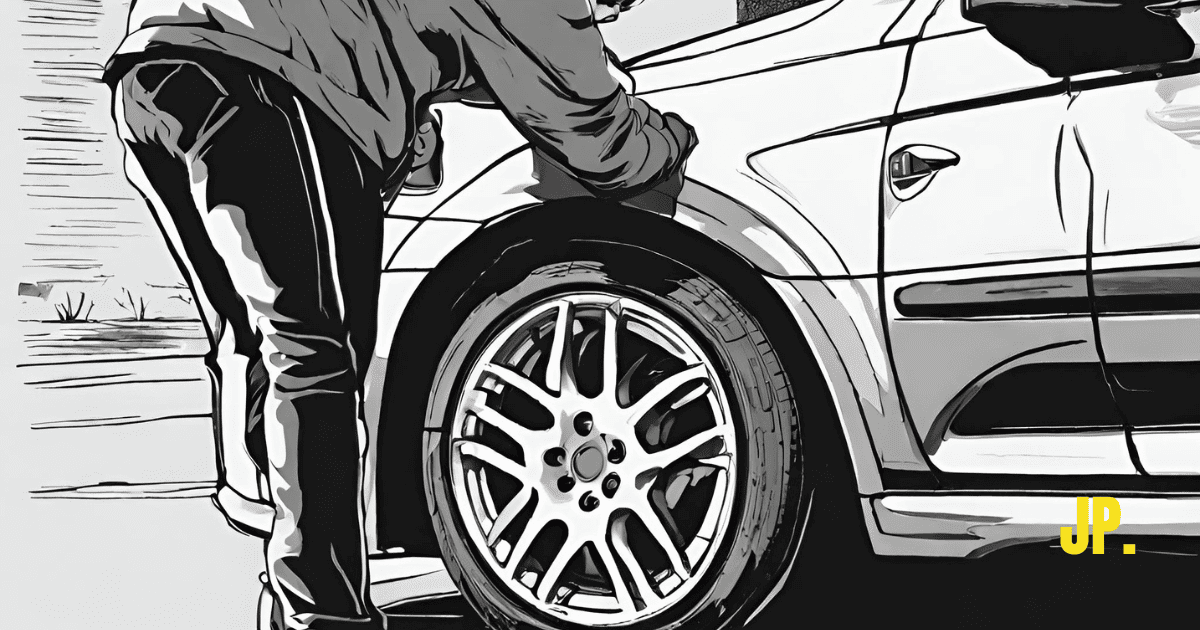
Why it’s important: Tires are expensive. Rotating the tires monthly evens and slows down wear and tire feathering.
Evaluating tread depth every 5,000 miles ensures you get them replaced before they become unsafe. It’s also an opportunity to look at how the tires are wearing.
For example, if the left front tire is heavily worn on the inside edge it indicates an issue with the alignment of your vehicle.
When to do it: I recommend rotating your tires every 7,500 miles to extend tire tread life.
How to do it: A common way to rotate tires is by crossing the rear wheels to the front and moving the fronts straight back. For directional tires swapping the fronts to the rear on the same side is the way to go.
5. Checking Wheel Balance
Does your car shake at highway speeds? If the answer is yes your wheels may need balancing. No wheel or tire is perfectly balanced when manufactured.
A wheel balancer is needed to attach weight in the correct spot to “zero out” the overall balance of your wheels.

Why it’s important: Properly balanced tires prevent shaking at high speeds and handling issues, and may prolong wheel bearing life as well.
When to do it: There is no set schedule for balancing tires, the best test is to drive down the highway and pay attention to how the car feels. If there’s a slight shake, or the steering wheel moves rapidly back and forth in your hands, have the tires balanced.
How to do it: Balancing wheels requires specialized machines called “tire balancers.” These computerized machines spin wheels at high speed and measure imbalance. The machine indicates where weights are needed to balance the tire so it spins true. Unless you have a balancer you’ll need to have this one done by a mechanic.
6. Check Wheel Alignment
Very few things will affect the handling of a car like an alignment. Shocks and struts are only a small part of your car’s overall handling. If your alignment is off it will feel like you are fighting the car to keep it tracking straight.

Why it’s important: Keeping your car aligned properly reduces tire tread wear, improves overall handling, and can pay off at the pump.
When to do it: Just like balancing tires there’s no real concrete time for doing an alignment. With that said, if you feel like your car is all over the road or it pulls to one side excessively, it may be time to have it checked. A good mechanic can inspect your tires and determine if an alignment is needed.
How to do it: Aligning a car is one of my specialties. People come to my shop from all over with very expensive cars because I have built up a reputation for getting them just right. Alignments require very expensive equipment, and expertise to get it done right, this one is for the pros.
7. Check The Spare Tire
Quick question, what’s worse than a flat tire? … Give up?
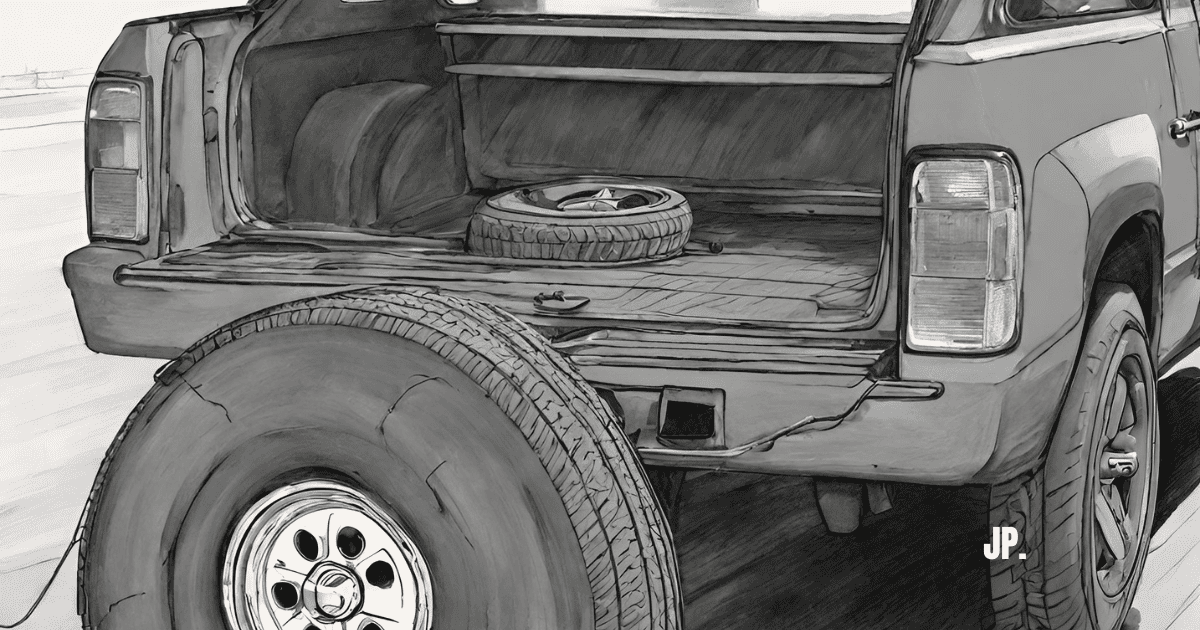
Opening your trunk to find the spare is flat too. Most vehicles have a spare tire, some use run-flat tires and the spare is no longer required. Check your owner’s manual for more information.
Why it’s important: Not much to say here. If you get a flat and the spare is flat… You’re FLAT out of luck. Don’t be that guy or gal.
When to do it: Check the spare every season, look at its condition, and set the pressure. Be sure the jack, lug wrench, and wheel lock key (if your car has one) are in the car too.
How to do it: Make sure the spare looks okay and there is no apparent damage. If it’s flat find out why, set the spare to the recommended pressure, usually 60 PSI for a doughnut. For a full-sized spare set the pressure to your car’s specification.
8. Timing Belt Replacement
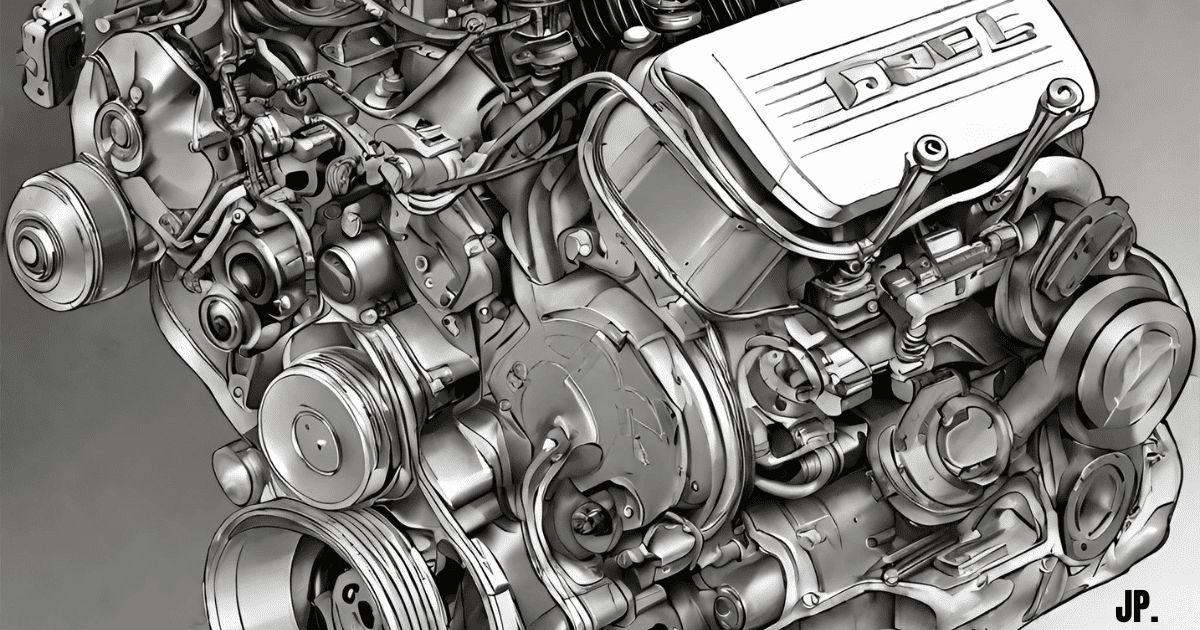
If your car has a timing belt it needs to be replaced at specified intervals. Failed timing belts usually result in serious engine damage, that’s why they should never be neglected.
Why it’s important: If this belt breaks the results are catastrophic for most vehicles. This is because when a timing belt breaks the camshaft stops turning, leaving valves open that should be closed.
Piston clearance is so tight in modern engines it will strike the open valves and bend the crap out of them, causing serious damage to the engine… I’m talking thousands.
When to do it: Check your owner’s manual and ask your mechanic. All manufacturers have different intervals for timing belt replacement and I’m not about to guess what kind of car you drive. Not all cars have timing belts, some have chains that only need replacement when they are worn out.
How to do it: Replacing a timing belt requires more than basic knowledge and should be left to the pros. However, don’t shy away from this job if you have the experience and tools.
It can be done in the span of a Saturday, but you need to know exactly what you are doing.
9. Fill The Windshield Washer Fluid
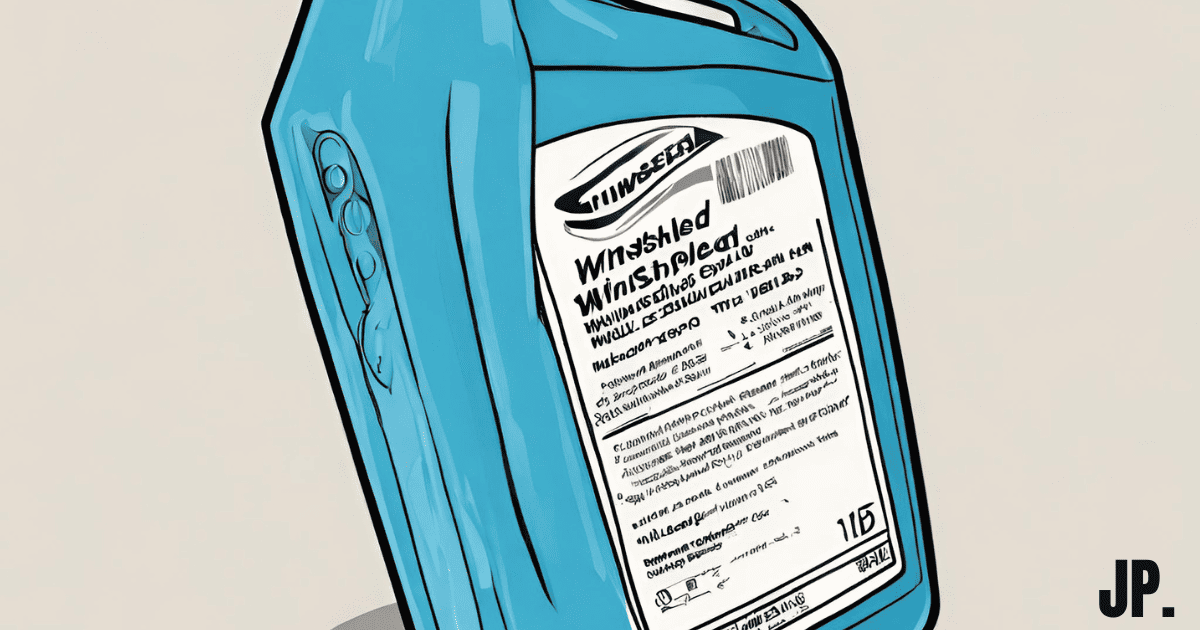
Simple and cheap, windshield washer fluid is one of those things no one thinks about until they need it. In winter months especially, this stuff ensures you can defrost your windshield.
Why it’s important: We have all been there, frost on the windshield first thing in the morning. A huge bug smashing suicide-style into your direct line of sight. You pull the stalk just to find no washer fluid is coming out as the wipers streak the slop everywhere and just make matters worse.
When to check it: Use judgment depending on your usage, I suggest checking the washer fluid every couple of fill-ups. If the low warning comes on you need it now. A gallon is around $4 bucks at an auto parts store, it’s a simple pour-and-forget process. Refer to your owner’s manual for fill locations.
How to check it: Look in the owner’s manual and use fresh washer fluid, there is no level check usually, just fill it until it’s at the brim, or fill line.
10. Check Your Wiper blades
Like washer fluid, wiper blades are critical for seeing the road properly in inclement weather. I can’t tell you how often the wipers on a customer’s car leave a streaked mess on the windshield when I test them.
Why it’s important: Worn-out crappy wiper blades make for a miserable and unsafe drive in the pouring rain. This is purely safety and should be treated as such. Your wipers should clear your windshield cleanly and completely with no streaks.
When to change: Thewipers should completely clear your windshield in one pass, if they leave streaks or smears it makes it hard to see safely and it’s time to head to the auto parts store. New wipers are fairly cheap and easy to install.
How to check wipers: Common sense goes a long way here, if you can’t see a thing when it’s raining it’s time to get new wipers. Some wiper blades have wear indicators as well to let you know when it’s time to change them out.
11. Clean and Check Battery Terminals

Battery terminals love to harbor nasty green corrosion. Battery off-gassing of acid causes this condition.
Left unchecked the corrosive nature of this build-up will start to eat away at these terminals. If you look at your battery terminals and they are covered with what looks like powder, or fuzz, it needs to be cleaned.
Why it’s important: A nice and tight connection to the battery is super important. Issues with battery terminal corrosion can cause various issues, including no-start conditions and various electrical problems.
When to check: Once a year.
How to clean it: Visually inspect the battery. If there’s any green powder-looking stuff on the positive or negative battery terminal, it’s acid buildup. It’s not hard to clean acid off of your battery, using water and baking soda with a wire brush it will be done in no time.
12. Check The Lights and Horn
Lights help people see you at night, the horn helps them hear you. Check all of the exterior lights and blow the horn occasionally to ensure these important items work.
Why it’s important: Exterior lights allow other drivers to see where you are and what you’re doing. This is an important safety item that should not be overlooked. The horn is important for letting people know you are there if they can’t see you and you need to lay on the sucker.
When to check: Check all exterior lights and beep the horn on your vehicle every oil change, (around 5,000 miles.)
How to do it: Start in the front and have a helper turn on all of the lights while you look at them, make sure the high and low beams work, the signals, fog lights, and all parking lights work. Move to the rear and check the brake lights and all other lights. Toot the horn and make sure it’s loud and strong, simple and straightforward.
13. Change The Automatic Transmission Fluid
Transmission fluid takes a beating and changing it is a hell of a lot better than replacing a transmission. Although it can be a little pricey, this car maintenance item will help you save money over the long run.
Why it’s important:
Transmissions that claim to have “lifetime fluid” need this service, even though the manufacturers claim otherwise. As the internal clutch bands naturally wear in the transmission over time, the fluid becomes degraded and loses its ability to protect the transmission from heat, and slippage. Under these conditions, other major issues start to sprout up.
When to change it: I HIGHLY recommend changing transmission fluid every 30,000 miles or so, depending on your driving conditions.
How to change it: If you don’t have auto repair experience changing transmission fluid is better off left to the professionals. Many vehicles today DO NOT have a dipstick for checking the fluid level and rely on special procedures to replace the filter and fluid.
The process involves draining the transmission and removing the pan to expose the filter. After the filter is changed the pan is reinstalled with a new gasket. New fluid is added and set to the proper level, some transmissions require re-adaption procedures as well after performing this service.
14. Brake Fluid Flush

Designed to withstand multiple heat cycles and avoid expansion under high heat conditions, this fluid is under a lot of stress. Brake fluid is the link between your foot and stopping your car, without it your car will not stop.
Why it’s important: When you apply the brakes, brake fluid transfers pressure through the brake lines to the calipers. The brake pads are applied to the rotor and the car slows down. The massive hydraulic force of brake fluid is what makes this all possible.
A funny thing about brake fluid is it absorbs water, it’s hygroscopic. Water will build up and diminish its effectiveness over time. A flush ensures the brake fluid in your car is fresh and capable of handling the constant stress it’s under.
When to change it: A flush is needed to push out the old fluid and send in new fresh fluid every year, regardless of mileage.
How to change it: Brake fluid is usually flushed by using a pressurized brake bleeder. This tool pushes pressurized fluid into the master cylinder. The bleed screws are opened at each caliper or wheel cylinder allowing fluid to be pushed out of the system, all while new fluid is pushed in. This can be done manually without the pressurized bleeder by using a helper to pump and hold the pedal as needed.
15. Inspect The Engine Belt
The engine belt drives the components your car needs to function. This belt is routed from the crankshaft to all of the belt-driven accessories on your vehicle. Part of your regular maintenance should include visually inspecting the engine belt for wear and damage.
Why it’s important: The engine belt drives all of the vehicle accessories while the engine is running. Anytime the engine is running this belt is spinning pulleys. This includes the water pump and other critical components such as the alternator. Over time engine belts start to wear out and can break eventually. If this happens it won’t be long before you are on the side of the road waiting for a tow.
When to inspect it: Engine belts should be looked at every oil change. This quick inspection can save you boatloads of trouble down the line.
How to do it: Use a light and look at the belt (located at the front of the engine) if you notice any frayed spots or heavy cracking in the ribs of the belt it’s time for a new one. There are depth gauges available that can check the groove depth of serpentine belts as well.
16. Power Steering Fluid Flush
Power steering fluid makes steering your car effortless, like transmission fluid it starts to oxidize and break down over time. Unless your car has electric steering power steering fluid should be changed every six months or so.

Why it’s important: Changing P/S fluid should be part of every maintenance schedule. The steering on your car uses very high pressure to function properly, this fluid takes the brunt of it. To avoid expensive damage to the steering components on your car it needs to be changed at regular intervals.
When to flush it: It’s best to flush the entire power steering system every 40,000 to 80,000 miles.
17. Antifreeze/Coolant Flush

Regular maintenance of the engine’s cooling system is essential. Antifreeze keeps your engine cool and the heat working as well. Antifreeze needs to resist freezing in the lowest temperatures and retain the ability to handle high heat conditions at the same time. Routine flushing ensures the freeze protection stays at the correct range and the cooling system stays in good shape overall.
Why it’s important: Coolant is essential for keeping things running smoothly and trouble-free. The coolant or antifreeze, (whatever you want to call it) needs to keep temperatures at bay with the engine running and resist freezing in low temperatures.
When to change it: Antifreeze should be changed every 30,000 miles. I’ll come clean, there are manufacturer recommendations that take this service all the way to 100,000 miles before it’s needed.
Stop and think about it, Manufacturers are in the business of selling cars and part of selling cars is acting like they don’t need shit for maintenance.
If you plan on keeping the car for any time period just trust me on this. What’s the worst that can happen? You get fresh coolant in your car, no harm, no foul.
How to change it: With the engine cool remove the radiator cap and add a cleaner (such as BG cooling system cleaner) to the system. Run the vehicle with the heat on full blast for at least 15 minutes. After the vehicle is shut off wait for the system pressure to drop and SLOWLY remove the cap again and then drain the system. Add fresh antifreeze and a system conditioner (if you want) and bleed the cooling system.
18. Transfer case service
All-wheel and 4-wheel drive cars need a way to transfer power from the transmission to both the front and rear wheels. This is where a transfer case comes in. This workhorse has internal clutches and gears that are under constant stress. This breaks down the fluid which can cause chattering on sharp turns and internal damage.
Why it’s important: Transfer cases tend to have a low fluid capacity, add the fact these things are transferring a lot of torque and it becomes clear this fluid takes a major beating. Transfer cases aren’t cheap, the service is. Avoid chatter on sharp turns and major damage and get this one done on the regular.
When to service it: Transfer cases vary for all vehicles, some are more reliable than others. I suggest every 30,000 miles or so. A big indicator you need to service your transfer case is chattering on turns. This chatter is usually felt when turning into a parking spot with the steering turned sharply to one direction or the other. This is due to the fluid breaking down and not lubricating the internal clutches properly, many times a service with additives can correct this annoying condition.
How to service it: Again, all cars are different but most transfer case services entail draining the case via the drain plug and filling it back to the bottom of the fill plug. Some vehicles, such as BMW require an adaption and integrator reset to complete the service. The capacity is usually quite low so leaks should always be addressed to avoid damage from low fluid levels.
19. Differential fluid
The differential, (or final drive) is quite literally what makes your car move. All of the power made by the engine is transferred from the transmission to the final drive or differential where it is applied to each wheel. As you can imagine, lots of stress is applied to the gearing within the differential. The gear oil needs to keep everything lubricated properly.
Why it’s important: The differential encases gears that are under constant load as they are driving your car along. The gear oil inside becomes dirty and breaks down over time causing gear noise and bearing damage if left unchecked.
When to change it: I recommend changing differential gear oil every 20,000 miles or so. My recommendation may be a little premature, however, changing the differential fluid on most cars is straightforward. It’s a cheap date that will keep your car’s driveline healthy.
How to change it: Most differentials have two plugs, a drain and a fill. The fill plug is the higher up on the unit. Remove the fill plug and then remove the drain, allow the gear oil to drain out. Reinstall the drain plug. Fill the differential through the fill plug until the gear oil level is at the bottom of the fill hole. Tighten both plugs, clean the area and you’re done.
20. Detailing The Car
Did you know that a clean car lasts longer and holds resale value much longer? Taking the time to keep your car clean is the best way to retain value.
Would you buy a car that’s disgusting inside, or has ripped seats and looks beat?
Why it’s important: Keeping your car clean not only helps prevent undercarriage rot and paint damage. It greatly increases resale value if you decide to sell your car in the future. Plus, you just look better in a clean car.
When to detail your car: Excluding regular washing and cleaning I recommend getting your car thoroughly detailed every season. A fresh coat of wax should be applied once before Winter and Summer. This helps protect your car from the elements of cold salty roads and the beating hot sun. Your paint will thank you.
How to detail a car: You have two choices here, get yourself some good quality car detailing products and get to work, or make an appointment with a good car detailer.
21. Perform a General Safety Inspection
Last on the list is an overall inspection. This entails checking the brakes, suspension, tires, and everything else to get a general feel for the condition of your car. I see it all the time, vehicles that recently had their oil changed at another location and the brakes are completely worn out or something else is shot.
The customer has no idea because the previous shop did not conduct a proper safety inspection. This not only costs the previous shop work, but it also makes for a pissed-off customer.
Why it’s important: This is a no-brainer, a safety inspection can find issues before they become huge problems. I have seen crazy stuff over the years and I’ve saved people’s bacon more than once by finding something dangerously worn on their car during a routine safety inspection.
When to get it done: A general safety inspection is something that all car owners should have done at a trusted shop at least once every year. You can check a lot on your own, however getting the car up on a lift is the best way to check everything thoroughly.
How to do it: Many garages will do a general safety inspection on every car they bring into the shop. This is how my shop does things. Ask your mechanic how much it is and have it done, chances are it won’t be expensive. Generally, the cost is about a half hour of labor in most areas.
What Are The Benefits Of Car Maintenance?
Maintaining rather than repairing is always a good idea, maintenance is cheaper and gives you the comfort of knowing you or a loved one is driving around in a car that has been inspected and cared for properly.
Countless people want to make sure they don’t break down but they don’t know where to start, or what they should be doing to keep their car in good condition.
That is why I created this list, it doesn’t include everything a car may need and it’s not supposed to, it’s designed to give you a basic overview of the maintenance that matters most.
Why Is Maintaining Your Car So Important?
A lot of people put car maintenance off for way too long. The result ends up being a tow truck ride over some dumb shit that could have been avoided with simple maintenance.
Modern cars are more reliable than ever but that doesn’t mean maintaining them goes on the back burner. Vehicle systems and components are much more sophisticated than they once were, not to mention replacing major components is expensive as hell these days, why not just maintain?
Keeping cars for the long haul is what most people are after these days… (have you seen the prices of new cars?) So be sure to follow this simple list and extend the life of your car.
You may not be handy and that’s fine, this list isn’t designed to be a “how-to” step-by-step guide, it’s intended to help you piece together what cars need to stay in good condition for years to come.
Wrapping it Up
I’ve done a lot of maintaining cars in my 25+ years as a mechanic. I’ve never felt like it was all for nothing.
Every car and every driver will benefit from routine car maintenance. It doesn’t matter what you drive, there is something on this list that can make it last longer and drive more efficiently.
This list is a very general car maintenance baseline so be sure to follow the manufacturer’s recommendations when it comes to your car and use some common sense.
Not handy enough to tackle anything on the list yourself? That’s OK, this list will help you ask the right questions when talking to your mechanic about your car.
FAQ’s
How Many of These Car Maintenance Tips Are Easy Enough For Anyone To Perform?
This all depends on your comfort level and ability, I would say a good number of these are easy enough to tackle on your own such as checking tire pressures, fluid levels, and the lights and horn, If you have any doubts leave it to the pros.
What cars need the most maintenance?
All cars need some TLC once in a while, however, German cars seem to have the most need for it, according to Consumer Reports.
The technology in Porsche, Mercedes, BMW, and VW AUDI always seems to be one step ahead. In short, the Germans push the technology out, and the Japanese companies refine it a few years later. This is why Japanese cars such as Toyota and Honda seem to need much less in terms of repairs and maintenance.


